
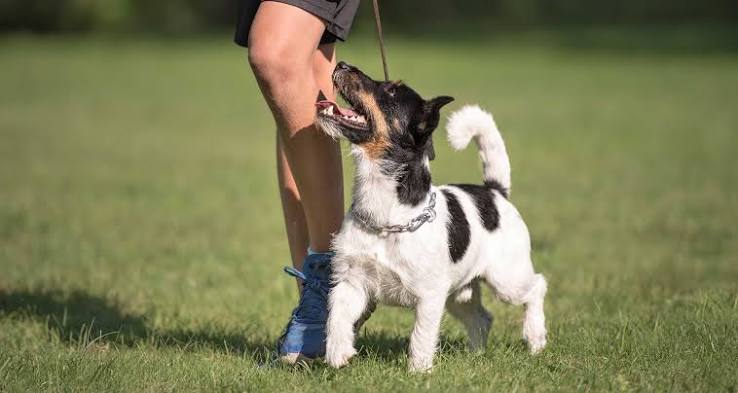
Bringing home a puppy is an exciting experience filled with new routines, discoveries, and opportunities to build a lasting bond. While many owners focus on feeding schedules, toys, and veterinary visits, one of the most valuable investments during the first months of life is enrolling in puppy development training classes. These classes provide much more than basic obedience. They help shape behavior, encourage healthy social development, and give owners practical skills for guiding their puppies through important stages of growth. Rob’s Dog Training recognizes that early learning lays the foundation for a confident, well-mannered companion throughout every stage of life.
Early learning influences how puppies respond to people, animals, and new environments throughout adulthood. Training during this developmental period creates positive habits that become easier to maintain over time. Rather than correcting unwanted behaviors later, owners can establish clear communication from the beginning, making everyday life more enjoyable for everyone involved.
Why Early Puppy Development Matters
Puppies experience rapid physical, emotional, and cognitive development during their first several months. Every interaction teaches them something about the world around them.
Positive experiences help puppies become:
- Comfortable meeting new people
- Confident in unfamiliar environments
- Better at handling everyday household situations
- More adaptable to routine changes
- Less likely to develop unnecessary fears
Without structured guidance, puppies may develop habits that become increasingly difficult to change as they mature. Jumping on visitors, excessive barking, leash pulling, or anxiety around strangers often begin as small behaviors that grow through repetition.
Training provides a structured environment where puppies learn appropriate responses before undesirable habits become well established.
What Puppy Development Training Classes Include
Many people assume puppy classes only teach simple commands like sit and stay. While obedience is certainly important, quality puppy development programs cover a much broader range of skills that support healthy behavioral growth.
Common areas include:
Basic Obedience Foundations
Early obedience introduces puppies to clear communication through simple exercises that encourage attention and cooperation.
These often include:
- Sit
- Down
- Stay
- Come when called
- Loose leash walking
- Focus exercises
- Waiting politely
These skills become building blocks for more advanced learning later.
Socialization Opportunities
Proper socialization helps puppies develop positive associations with a variety of situations.
Well-managed classes may expose puppies to:
- Different breeds and sizes of dogs
- Adults
- Children
- Various sounds
- Different flooring surfaces
- New objects
- Controlled distractions
The goal is not simply interaction but creating calm, positive experiences that build confidence.
Building Confidence Through Positive Learning
Confidence develops gradually through successful experiences.
Training instructors carefully introduce new challenges at an appropriate pace so puppies experience success rather than frustration.
Examples include:
- Walking across unfamiliar surfaces
- Navigating small obstacles
- Remaining calm around distractions
- Recovering from mild surprises
- Exploring new environments
Each accomplishment teaches puppies that unfamiliar situations can be handled safely.
Confident puppies often become adaptable adult dogs capable of adjusting to changing routines and environments.
Learning Appropriate Household Manners
Daily life requires far more than knowing commands.
Puppies must learn appropriate behavior within the home, including:
- Greeting visitors calmly
- Settling quietly indoors
- Waiting at doors
- Walking politely through the house
- Respecting household boundaries
- Managing excitement appropriately
These practical skills often have a greater impact on family life than formal obedience alone.
Understanding Bite Inhibition
Puppies naturally explore the world using their mouths.
During early development, they learn how much pressure is appropriate when interacting with people and other dogs.
Training classes help owners redirect mouthing through:
- Appropriate chew toys
- Positive redirection
- Reward-based alternatives
- Calm interruption of excessive biting
- Consistent responses
Developing bite inhibition early supports safer interactions throughout adulthood.
The Importance of Positive Reinforcement
Modern puppy education focuses on rewarding desired behaviors instead of relying on punishment.
Positive reinforcement encourages puppies to repeat behaviors that produce rewarding outcomes.
Rewards may include:
- Treats
- Toys
- Praise
- Play
- Affection
- Opportunities to explore
This approach creates enthusiastic learners who actively participate during training sessions.
Rather than working to avoid correction, puppies learn because training becomes enjoyable and rewarding.
Creating Consistency at Home
Weekly classes alone cannot produce lasting results.
Progress depends on consistent practice between sessions.
Owners benefit from incorporating training into everyday routines, including:
Morning routines
Ask for a simple sit before breakfast.
Walk preparation
Reward calm behavior before attaching the leash.
Play sessions
Practice recall during games.
Meal preparation
Teach waiting patiently before receiving food.
Bedtime
Encourage calm settling before sleep.
Frequent short practice sessions help puppies understand that learning applies everywhere, not just during class.
Helping Puppies Develop Emotional Control
Young puppies experience excitement easily.
They often become overstimulated by:
- Visitors
- Other dogs
- Food
- Toys
- Outdoor environments
- New smells
Training introduces exercises that encourage self-control.
Examples include:
- Waiting before greeting
- Remaining calm during distractions
- Choosing focus over excitement
- Relaxing on a designated mat
- Settling after play
These emotional regulation skills support lifelong behavioral stability.
Common Challenges Addressed in Puppy Classes
Every puppy develops differently.
Training classes provide guidance for common concerns before they become long-term habits.
These include:
Jumping on People
Puppies often jump because attention reinforces the behavior.
Owners learn alternative greeting routines that reward four paws remaining on the ground.
Leash Pulling
Walking politely begins with teaching puppies to stay engaged with their handler rather than constantly pulling forward.
Excessive Barking
Rather than simply stopping barking, instructors identify why puppies vocalize and teach more appropriate responses.
Separation Preparation
Short independence exercises help puppies become comfortable spending time alone without developing unnecessary stress.
Overexcitement
Impulse-control exercises teach puppies how to calm themselves after exciting activities.
Why Owner Education Is Equally Important
Puppy classes are designed for people as much as puppies.
Owners learn how dogs communicate through body language and behavior.
Important topics often include:
- Reading stress signals
- Understanding play styles
- Managing fear responses
- Preventing unwanted behaviors
- Reinforcing calm choices
- Maintaining consistency
The better owners understand their puppies, the more effectively they can guide future learning.
Building Strong Communication
Training strengthens communication by helping puppies understand what owners expect.
Effective communication relies on:
- Clear verbal cues
- Consistent timing
- Appropriate rewards
- Realistic expectations
- Patience during learning
As communication improves, daily routines become smoother and less stressful.
Supporting Lifelong Learning
Learning does not stop after puppyhood.
Instead, early education creates a foundation for future skill development.
Dogs that develop strong learning habits during puppyhood often adapt more easily to:
- Advanced obedience
- Therapy work
- Sporting activities
- Hiking adventures
- Travel
- Family lifestyle changes
The confidence developed through early education continues supporting successful learning throughout adulthood.
Choosing Quality Puppy Development Training Classes
Not every training program follows the same philosophy.
Owners should look for programs that emphasize both behavioral development and owner education.
Helpful qualities include:
- Positive reinforcement methods
- Small class sizes
- Experienced instructors
- Safe socialization opportunities
- Individual guidance
- Structured lesson progression
- Age-appropriate activities
Programs should focus on creating successful learning experiences rather than overwhelming young puppies.
Practical Ways to Reinforce Learning at Home
Owners can extend classroom progress by making training part of everyday life.
Simple activities include:
- Asking for attention before opening doors
- Rewarding calm behavior throughout the day
- Practicing short recall games indoors
- Rotating enrichment toys
- Introducing new environments gradually
- Encouraging polite greetings with visitors
- Reinforcing relaxed behavior after exercise
These small moments create hundreds of valuable learning opportunities every week.
Mistakes to Avoid During Early Training
Even well-intentioned owners sometimes slow progress through inconsistent habits.
Common mistakes include:
- Expecting perfect behavior too quickly
- Practicing sessions that are too long
- Repeating commands multiple times
- Rewarding unwanted excitement unintentionally
- Skipping socialization opportunities
- Using punishment instead of teaching alternatives
Patience and consistency usually produce better long-term results than rushing the learning process.
The Long-Term Benefits of Early Puppy Education
The effects of early development extend far beyond puppyhood.
Dogs that receive structured early education often demonstrate:
- Better confidence
- Stronger owner relationships
- Improved impulse control
- Easier veterinary visits
- Better leash manners
- More reliable recall
- Greater adaptability
- Reduced stress in unfamiliar situations
These qualities contribute to safer, more enjoyable companionship for years to come.
Rather than viewing training as a short-term project, successful owners see it as the beginning of lifelong communication.
Final Thoughts
Enrolling in puppy development training classes provides puppies with the guidance, structure, and positive experiences needed to develop into confident, well-adjusted companions. Early training supports socialization, emotional regulation, communication, and everyday manners while giving owners the knowledge to reinforce good habits consistently at home.
By focusing on positive reinforcement, realistic expectations, and practical life skills, Rob’s Dog Training helps lay a strong foundation that benefits both puppies and their families long after the first lessons are complete.