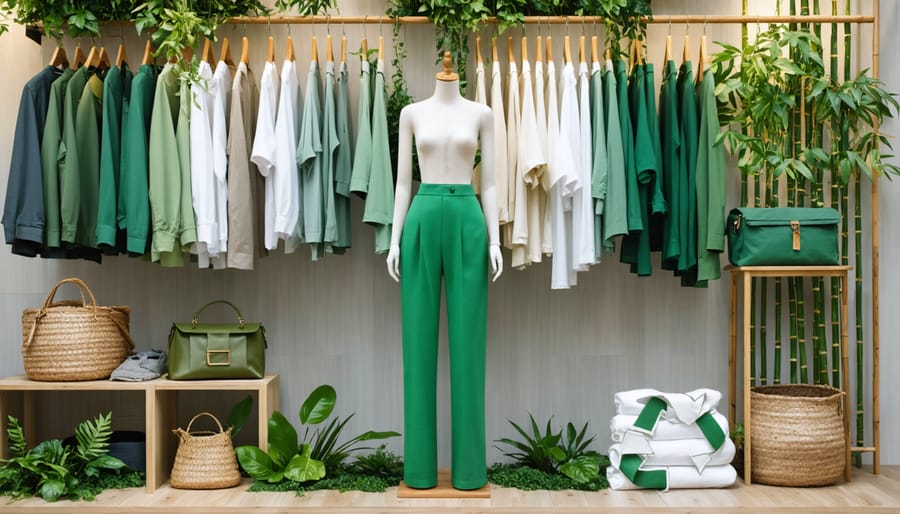
The fashion industry is undergoing a major transformation as sustainability becomes a global priority. Green fashion is no longer a niche movement; it is rapidly becoming the standard for modern apparel brands. Consumers are now more conscious of environmental impact, ethical sourcing, and long-term sustainability. This shift is forcing brands to rethink how clothing is designed, produced, and consumed. Understanding green fashion industry trends is essential for anyone involved in fashion, retail, or sustainability-driven businesses.
Rise of Sustainable Materials and Eco-Friendly Fabrics
One of the strongest trends in green fashion is the rapid adoption of sustainable materials. Traditional fabrics such as polyester and conventional cotton have significant environmental impacts, including high water usage and chemical pollution. In response, brands are increasingly turning toward eco-friendly alternatives.
Organic cotton is one of the most widely used sustainable fabrics. It is grown without harmful pesticides or synthetic fertilizers, making it safer for both the environment and farmers. Similarly, hemp and bamboo fabrics are gaining popularity due to their low environmental footprint and fast growth cycles.
Recycled materials are also becoming a major innovation in the fashion industry. Recycled polyester made from plastic bottles and ocean waste is now used in sportswear, jackets, and everyday clothing. This helps reduce landfill waste while promoting circular production systems.
Another emerging innovation is bio-fabricated textiles, which are created using natural processes such as fermentation or lab-grown fibers. These materials aim to replace animal-based leather and synthetic fabrics, offering a cruelty-free and sustainable alternative.
As consumer awareness increases, brands that prioritize sustainable materials are gaining stronger market positioning and customer loyalty.
Ethical Manufacturing and Transparent Supply Chains
Green fashion is not only about materials but also about how clothing is made. Ethical manufacturing practices are becoming a core expectation among consumers.
Fair wages and safe working conditions are now central to responsible fashion production. Brands are increasingly held accountable for labor practices across their supply chains. This has led to more companies adopting fair trade certifications and third-party audits.
Transparency is another critical trend. Modern consumers want to know where their clothes come from, who made them, and under what conditions. As a result, many fashion brands are publishing detailed supply chain information, including factory locations and sourcing practices.
Technology is playing a major role in improving transparency. Blockchain systems are being used to track products from raw material to finished garment, ensuring authenticity and ethical compliance.
Slow fashion is also gaining momentum as a reaction to fast fashion. Instead of mass-producing cheap clothing, brands are focusing on high-quality, durable pieces designed to last longer. This reduces waste and encourages more thoughtful consumption habits.
Circular Fashion and Recycling Innovations
Circular fashion is one of the most important trends shaping the future of sustainability in the industry. Unlike the traditional linear model of “produce, use, and dispose,” circular fashion focuses on reuse, recycling, and regeneration.
Clothing recycling programs are becoming more common, where consumers can return old garments to be repurposed into new products. This reduces textile waste and extends the lifecycle of materials.
Upcycling is another growing trend. Designers are creatively transforming old or discarded clothing into new fashion pieces. This not only reduces waste but also adds uniqueness to each product.
Rental fashion platforms are also gaining popularity, especially for luxury and occasion wear. Instead of buying clothes that are worn only once or twice, consumers can rent outfits, significantly reducing consumption and waste.
Repair and resale markets are expanding as well. Second-hand fashion platforms are encouraging consumers to buy pre-owned clothing, reducing demand for new production and promoting a more sustainable cycle of consumption.
These circular systems are helping the fashion industry move closer to a zero-waste model.
Digital Fashion and Technology-Driven Sustainability
Technology is playing a transformative role in making fashion more sustainable. One of the most innovative trends is digital fashion, where clothing exists only in virtual environments. These digital garments are used in social media, gaming, and virtual reality spaces, eliminating physical waste entirely.
Artificial intelligence is also being used to optimize design and production processes. AI tools help predict fashion trends, reduce fabric waste, and improve inventory management, preventing overproduction.
3D design and virtual sampling are reducing the need for physical prototypes. Designers can now create and modify clothing digitally before producing a single physical sample, saving materials and reducing waste.
Augmented reality is enhancing online shopping experiences. Customers can virtually try on clothes before purchasing, reducing return rates and unnecessary shipping emissions.
Smart textiles are another emerging innovation. These fabrics can adapt to temperature, monitor health, or change properties based on environmental conditions. While still developing, they represent the future of functional and sustainable fashion.
Changing Consumer Behavior and Sustainable Lifestyle Adoption
The success of green fashion ultimately depends on consumer behavior. Modern shoppers are becoming more conscious of their environmental impact and are actively seeking sustainable alternatives.
There is a growing preference for quality over quantity. Instead of buying large volumes of cheap clothing, consumers are investing in fewer but higher-quality pieces that last longer.
Social media and influencer culture are also influencing sustainable fashion awareness. Influencers promoting eco-friendly brands and ethical consumption habits are helping spread awareness to a wider audience.
Education plays a key role in this shift. As consumers learn more about environmental damage caused by fast fashion, they are making more informed purchasing decisions.
Minimalist fashion lifestyles are also gaining popularity. Capsule wardrobes, which consist of a small number of versatile clothing items, are becoming a preferred choice for many individuals seeking simplicity and sustainability.
This change in mindset is pushing brands to align with sustainability values or risk losing relevance in a rapidly evolving market.
Green fashion is not just a trend; it is a long-term transformation of the global fashion industry. From sustainable materials to ethical manufacturing and digital innovation, every aspect of fashion is being redefined. As consumer awareness continues to grow, brands that embrace sustainability will lead the future of style, responsibility, and innovation.